Understanding Personal Injury Evidence in Baton Rouge
A successful personal injury claim depends entirely on the quality and admissibility of your evidence. Discover how physical proof, medical documentation, and electronic data combine to substantiate fault and maximize financial recovery under Louisiana law.
Request Free Evidence ReviewTable of Contents
- 1. Core Categories of Personal Injury Evidence
- 2. Medical Records and Diagnostic Documentation
- 3. Physical and Digital Crash Scene Data
- 4. Proving Economic Losses and Wage Statements
- 5. Evidence Preservation and Formal Spoliation Letters
- 6. Frequently Asked Questions About Documenting Injuries
- 7. Get Help to Gather Evidence Today
Core Categories of Personal Injury Evidence
In any Louisiana personal injury lawsuit or insurance claim negotiation, burden of proof rests on the injured party. Building a strong personal injury case involves recognizing how different forms of documentation interconnect to prove both fault and the exact monetary value of your losses.

1. Direct vs. Circumstantial Evidence
Direct evidence immediately proves a fact without requiring inference—such as dashcam footage showing a driver running a red light. Circumstantial evidence implies fault through secondary details, such as tire skid mark measurements indicating high speeds prior to impact.
2. Physical Evidence from the Collision Scene
Physical items gathered at the accident site include vehicle debris, torn or bloodied clothing, damaged personal property, and roadway surface markings. Preserving these tangible items prevents insurance adjusters from claiming the impact forces were minor.
3. Testimonial and Documentary Evidence
Written documentation—such as official police accident reports, eyewitness contact logs, and treating physician notes—provides a verifiable timeline of events. Partnering with a skilled Baton Rouge personal injury lawyer ensures all documents adhere to strict court rules of evidence.
Medical Records and Diagnostic Documentation
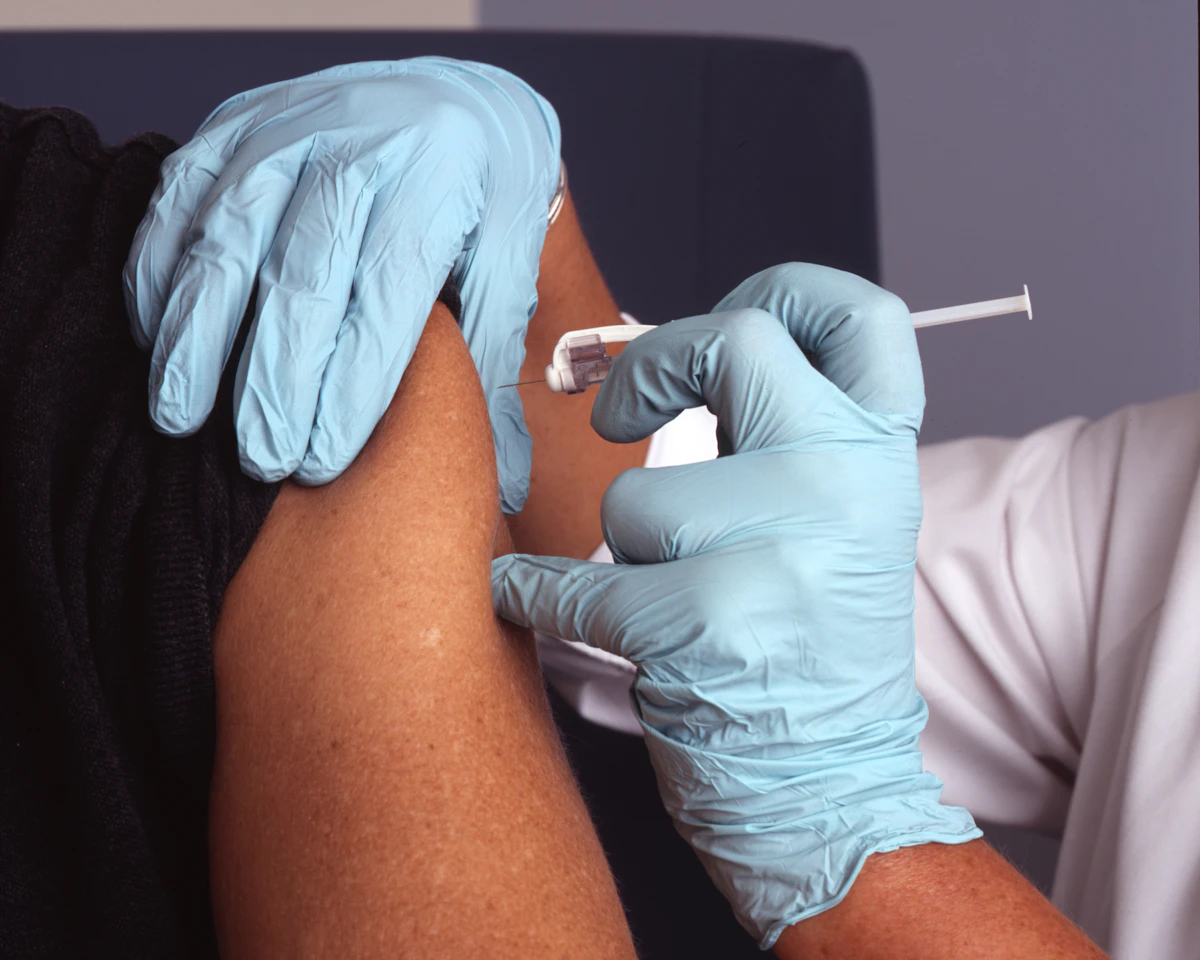
Your medical history following a collision is the single most critical component used to calculate financial compensation. Without comprehensive healthcare records, insurance carriers will contest the cause and severity of your physical harm.
Emergency Room and Ambulance Logs
First responder notes and emergency intake records establish an immediate record of trauma directly following the event. These initial observations refute insurer allegations that injuries occurred during a separate, unrelated incident.
Diagnostic Imaging and Specialist Reports
Magnetic Resonance Imaging (MRI) scans, CT scans, X-rays, and surgical consultation notes offer objective radiological proof of disc herniations, bone fractures, or traumatic brain injuries.
Ongoing Therapy Plans and Prognosis Notes
Detailed treatment logs from physical therapists, chiropractors, and orthopedic specialists demonstrate your commitment to recovery while documenting ongoing functional limitations and pain levels.
Never discontinue prescribed medical care without consulting your doctor. Gaps in treatment are frequently exploited by insurance claims adjusters to argue that your condition has fully resolved.
Physical and Digital Crash Scene Data
Modern technology allows legal teams to reconstruct collisions using digital telemetry and electronic records that supplement traditional scene photography.
Vehicle Electronic Control Modules (Black Boxes)
Passenger vehicles and commercial semi-trucks store digital telemetry detailing vehicle speed, throttle position, brake application, seatbelt usage, and steering angles during the seconds preceding impact.
Surveillance and Traffic Camera Footage
Security feeds from nearby businesses, municipal traffic cameras, and third-party dashcams provide unbiased visual evidence that counters conflicting driver statements.
Cellular Data and Driver Records
In cases involving suspected distracted driving or commercial trucking violations, subpoenaing mobile phone logs or driver hours-of-service records proves statutory non-compliance.
Proving Economic Losses and Wage Statements
Recovering full compensation requires presenting clear proof of all past, present, and future financial losses connected to your injuries.
Employment Records and Wage Statements
Tax returns, W-2 forms, pay stubs, and official employer wage verification letters prove income lost while unable to work during recovery.
Future Lost Earning Capacity Analysis
For severe injuries resulting in long-term disability, economic experts calculate the lifetime value of lost promotions, pension benefits, and reduced working capacity.
Itemized Out-of-Pocket Expenses
Keep receipts for all accident-related expenses—including prescription co-pays, medical mobility equipment, travel mileage to specialist appointments, and home care modifications.
Evidence Preservation and Formal Spoliation Letters
Critical evidence can be lost or destroyed rapidly. Business security footage is routinely overwritten, and commercial vehicles may be repaired or sold shortly after an accident.
What Is a Spoliation of Evidence Notice?
A formal spoliation letter is a legal notice sent to at-fault parties, trucking companies, or property owners mandating that all relevant physical, electronic, and paper evidence be preserved for upcoming litigation.
Consequences of Destroying Evidence
If a party destroys or alters evidence after receiving a formal spoliation notice, Louisiana courts may issue adverse inference sanctions—instructing a jury to assume the destroyed evidence would have proven the defendant's liability.
Because commercial entities routinely clear electronic logs, issuing formal spoliation notices immediately after a collision is critical to preserving key telemetry data.
Why Proper Documentation Matters After an Incident
In a personal injury case, the injured person is the plaintiff, and the plaintiff carries the burden of proving what happened, who was at fault and how the injury changed their life. Insurance adjusters and defense attorneys look for gaps in the record. When there is not much evidence, they argue that your injuries were minor, pre-existing or caused by something else. Proper documentation closes those gaps and lets the evidence tell your story in a way that is hard to dispute.
The best time to preserve evidence is in the first days after an incident. Photos of your injuries, vehicle damage and the scene should be taken as soon as possible and again as bruises and swelling change. Keep every receipt, appointment card and letter from an insurer in one folder. A short daily note about pain levels, sleep problems and activities you can no longer do will help your attorney show the full impact of your injury months later, when memories have faded.
How Much Evidence Do You Need?
There is no fixed number of documents that wins a case. What matters is whether the evidence, taken together, makes your version of events more likely than not. A rear-end collision with a clear police report may need little more than medical records and wage statements. A disputed intersection crash, a truck accident or a premises liability claim usually needs witness statements, video, expert analysis and detailed medical documentation. Your lawyer can tell you which pieces matter most for your particular claim.
Expert Witnesses and Testimony
In serious personal injury claims, expert witnesses are pivotal. Judges and juries are not doctors or engineers, so specialists explain technical issues in plain language and connect the evidence to the injuries.
Medical Specialists
Treating physicians and independent medical specialists explain your diagnosis, why your symptoms are consistent with the accident and what future treatment you are likely to need. Well-prepared medical documentation will tell the court how your injury happened and how long recovery should take, but expert testimony gives that documentation weight. Medical reports from specialists such as orthopedic surgeons, neurologists and pain management doctors are especially persuasive in cases involving spinal injuries, traumatic brain injuries and permanent impairment.
Accident Reconstruction and Economic Analysis
Accident reconstruction specialists use vehicle damage, black box data, skid marks and road measurements to show speed, braking and point of impact. Vocational and economic specialists calculate lost earning capacity and the present value of future medical care. Life care planners estimate long-term needs for people with catastrophic injuries. Each expert strengthens a different part of the case, and together they help establish the full value of your claims.
Lay Witnesses
Witnesses do not have to be specialists to be valuable. Bystanders who saw the accident, coworkers who notice you can no longer lift or stand for long periods, and family members who help with daily tasks can all describe how your injuries changed your life.
How Evidence Affects the Value of Your Injury Case
Insurance companies set reserves and settlement ranges based on what they think a plaintiff can prove. Strong evidence moves those numbers. Clear medical records showing consistent treatment, objective imaging results and specialist opinions support higher compensation for medical bills, lost wages and pain and suffering. Gaps in treatment, missing records or inconsistent statements give the insurer reasons to reduce an offer.
Evidence also matters under Louisiana's comparative fault rules. For accidents on or after January 1, 2026, a person found 51% or more at fault cannot recover damages, and a smaller share of fault still reduces recovery. Witness statements, video and reconstruction analysis are often what keep fault where it belongs.
If you are still in the early stages, start with our checklist on what to do after an accident in Baton Rouge. For how evidence is used to show who caused a crash, read proving liability after an accident, and before you give any statements, review our tips on talking to insurance adjusters. Our Baton Rouge personal injury lawyer team can review your evidence for free and identify what is missing.
Frequently Asked Questions About Documenting Injuries
What should I do if I forgot to document the accident scene?
An experienced attorney can obtain surveillance video from nearby businesses, request police scene photographs, examine vehicle damage at impound lots, or hire an accident reconstruction team to gather physical proof.
Are personal pain journals admissible as evidence in court?
Yes. Daily pain journals recording physical discomfort, medication side effects, missed family events, and emotional distress serve as valuable evidence supporting non-economic pain and suffering claims.
How do medical bills prove the severity of a personal injury?
Itemized medical invoices show the exact scope of treatment required—such as surgery, diagnostic MRIs, and specialized physical therapy—establishing direct economic proof of injury severity.
Can insurance companies subpoena my entire past medical history?
Insurers often request broad medical releases to look for pre-existing conditions. Your attorney can limit authorization releases to relevant body parts and treatment dates related to the crash.
Do I need an expert witness for my injury claim?
Not every case needs one. Minor injury claims with clear fault often settle using medical records and bills. Cases involving disputed fault, serious or permanent injuries, or large future medical costs usually benefit from expert testimony from doctors, reconstruction specialists or economists.
How long should I keep my medical records and receipts?
Keep everything until your case is fully resolved, and ideally for several years after. Store copies of medical reports, prescriptions, mileage to appointments and missed-work notes together so your attorney can calculate your full damages.
What evidence helps prove pain and suffering?
Pain journals, photos of injuries over time, statements from family and coworkers, therapy notes and your doctor's description of your limitations all help show how your injuries affect daily life.
Get Help to Gather Evidence Today
Don't let vital evidence disappear. Contact our legal team today for a free, confidential consultation to review your case and protect your rights.